
KiCad

KiCad is a free, open-source electronic design automation (EDA) suite for schematic capture, PCB layout, and 3D visualization. It supports cross-platform use on Windows, macOS, and Linux, offering professional tools for circuit design, simulation, and manufacturing file generation.
windows linux mac

Gallery

About KiCad

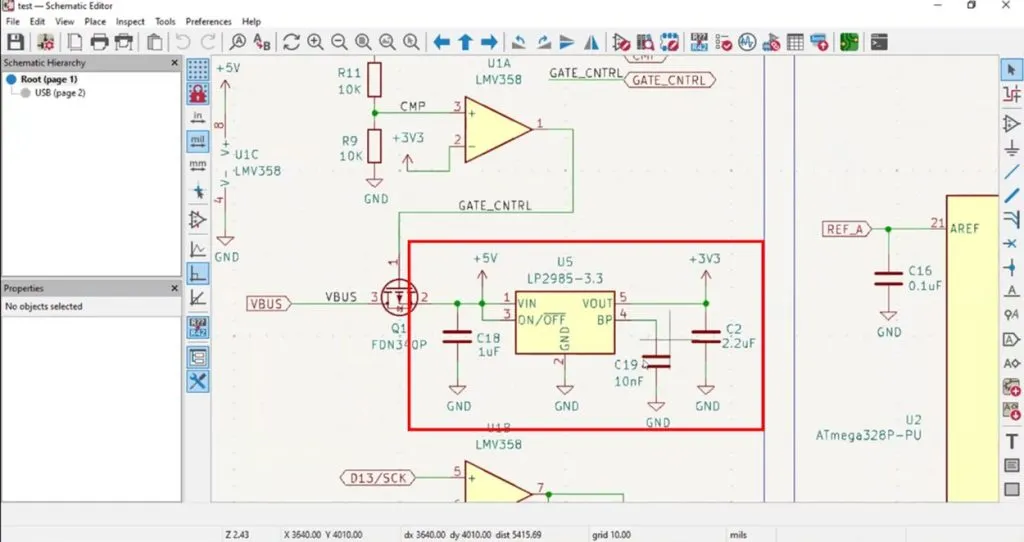
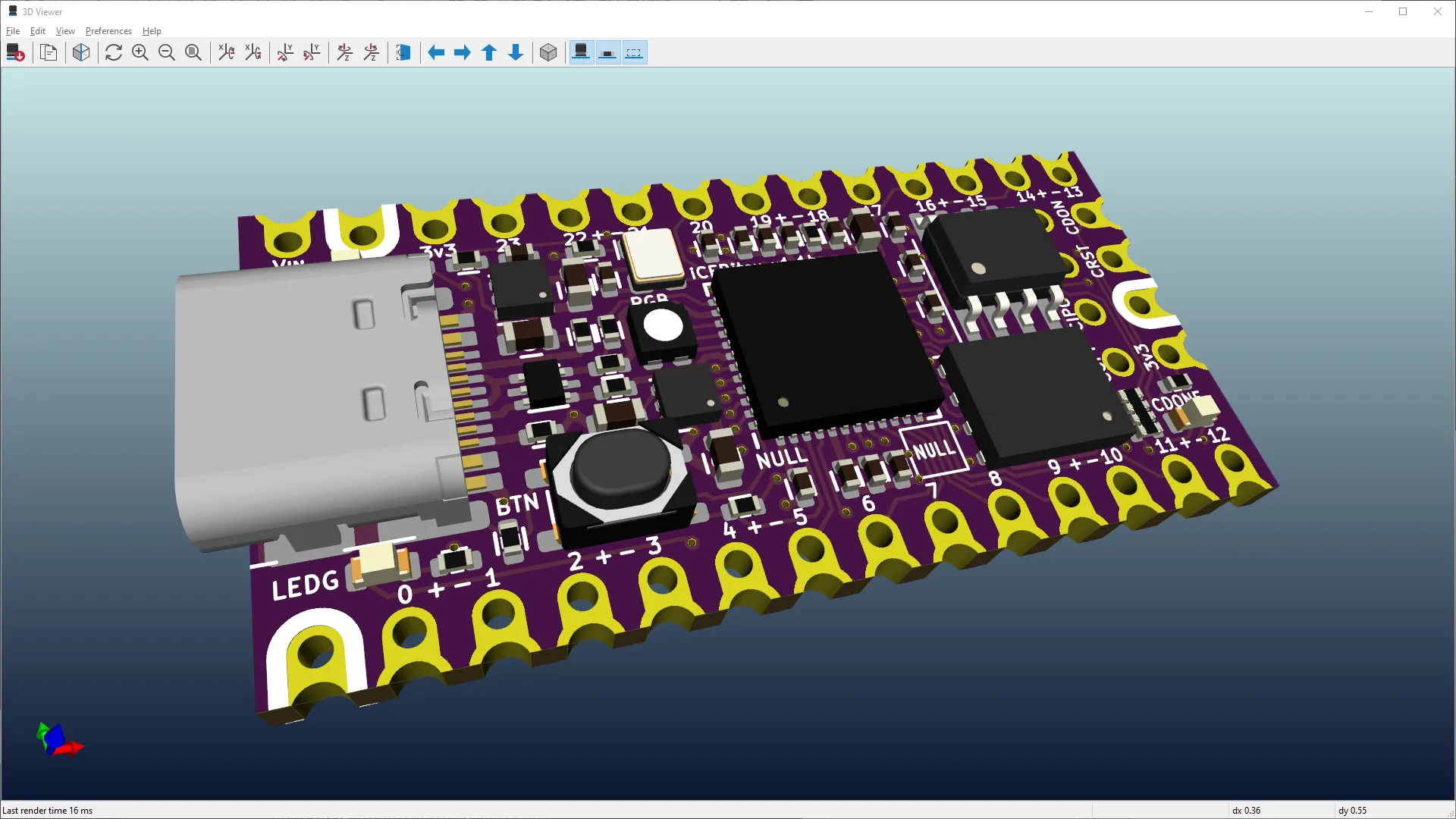
KiCad stands as a transformative force in electronic design automation, delivering a comprehensive, free, and open-source alternative to commercial EDA software. Initially conceived by Jean-Pierre Charras in 1992, this software suite has evolved into a sophisticated platform serving both hobbyists and professional engineers across the globe . The architecture centers on three integrated components: the Schematic Editor for circuit design, the PCB Layout Editor for board development, and the 3D Viewer for mechanical inspection and visualization. This unified workflow enables designers to progress from concept to physical realization within a single environment, significantly streamlining development processes . KiCad's most compelling strength lies in its extensive component library, featuring thousands of pre-made symbols, footprints, and 3D models. This library expands continuously through contributions from a global community, ensuring users access an ever-growing repository of parts . The software's cross-platform compatibility (Windows, macOS, Linux) enhances accessibility, allowing team collaboration regardless of operating system preferences . Recent versions, including KiCad 9 and 10, introduce substantial enhancements elevating professional capabilities. These include advanced track length tuning systems with time-domain constraints, design variants for creating multiple versions of single projects, and unconstrained pin/gate swapping between schematic and PCB editors. The addition of a graphical design rule editor and barcode generation capabilities demonstrates KiCad's commitment to addressing real-world engineering challenges . The software's integrated SPICE simulation (provided through ngspice) enables designers to verify circuit functionality before committing to physical fabrication, reducing costly errors and design iterations. Meanwhile, 3D rendering capabilities with a built-in raytracer allow realistic product visualization and mechanical fit assessment . KiCad's open-source nature (licensed under GNU GPL v3) ensures transparency, customization, and freedom from vendor lock-in. This has fostered a vibrant community contributing not only to code development but also to documentation, tutorials, and third-party integrations. The project's governance by a technical committee ensures balanced decision-making prioritizing both innovation and stability . With minimal system requirements yet capable of handling complex, multi-layer designs with hundreds of components, KiCad offers an exceptional balance of power and accessibility. Its annual major release cycle delivers continuous improvements, while extensive documentation and learning resources lower barriers for newcomers . In an industry where commercial EDA tools can cost thousands of dollars per seat, KiCad's zero-cost licensing model represents a significant advantage, particularly for startups, educational institutions, and independent designers. This, combined with professional-grade capabilities, has positioned KiCad as a viable and increasingly popular alternative in the electronics design landscape .

Features

Cross-platform compatibility (Windows, macOS, Linux)
Open-source licensing (GNU GPL v3)
Integrated schematic and PCB editors
3D visualization and raytracing
SPICE circuit simulation (via ngspice)
Extensive component libraries (symbols, footprints, 3D models)
Design variants management
Advanced track length tuning (time-domain constraints)
Custom design rule checks (graphical editor)
Pin/gate swapping (between schematic and PCB)
Gerber and IPC-2581 output
Barcode generation (in PCB editor)
Hierarchical design support
Interactive routing
Electrical rules checker
Multi-sheet projects
3D STEP file export
CSV import/export for pins
Local power symbols (optional)
Design blocks (schematic and layout fragments)

System Requirements

Minimum Requirements

CPU

64-bit Intel/AMD, ARM, PowerPC, or RISC-V architecture

Memory (RAM)

1GB

Storage

10GB available space

Write a Review

Reviews are moderated. Your review will be published after being approved by an administrator.

Have an account? Log in to post a review, or continue below with your name and email.

Share what you like or dislike about this emulator. Maximum 1000 characters.

Your email won't be published publicly.

Ratings & Reviews

No reviews yet

Be the first to review KiCad.

KiCad

Download KiCad

Get the latest version of KiCad and start using it right away.

Latest Version
10.0.6
Added
Sep 1, 2026
Download Now
923 MB
Free
Safe & Virus-Checked

Related Software

LTSpice logo

LTSpice

LTspice is a powerful, fast, and free SPICE simulator software with schematic capture and waveform viewer capabilities. Developed by Analog Devices, it provides enhanced models and features for simulating analog circuits with high accuracy and performance, making it the industry standard for electronic circuit simulation.

Multisim logo

Multisim

Multisim is an industry-standard electronic schematic capture and SPICE simulation software by National Instruments. It enables the design, analysis, and testing of analog, digital, and power electronics circuits, widely used in education, research, and professional engineering environments.
EMU8086 logo

EMU8086

EMU8086 is a comprehensive microprocessor emulator that simulates the Intel 8086 processor, providing an integrated development environment for writing, debugging, and testing assembly language programs. Ideal for students, educators, and hobbyists, it combines an editor, assembler, disassembler, and emulator in one user-friendly package, making assembly language programming accessible and educational.

SimulIDE logo

SimulIDE

SimulIDE is a lightweight, real-time electronic circuit simulator designed for hobbyists and students. It supports analog and digital components, microcontrollers like PIC, AVR, and Arduino, and includes a code editor and debugger. With its intuitive drag-and-drop interface, users can quickly create, simulate, and interact with circuits, making it ideal for learning and experimenting with electronics projects.

Qucs-S logo

Qucs-S

Qucs-S is an open-source circuit simulator with a graphical interface that integrates multiple SPICE engines (Ngspice, Xyce, SpiceOpus) for advanced electronics design. It supports analog, RF, and digital simulations, schematic capture, and post-processing analysis.